
Fall Is Vein Season: What to Know Before You Treat Spider Veins
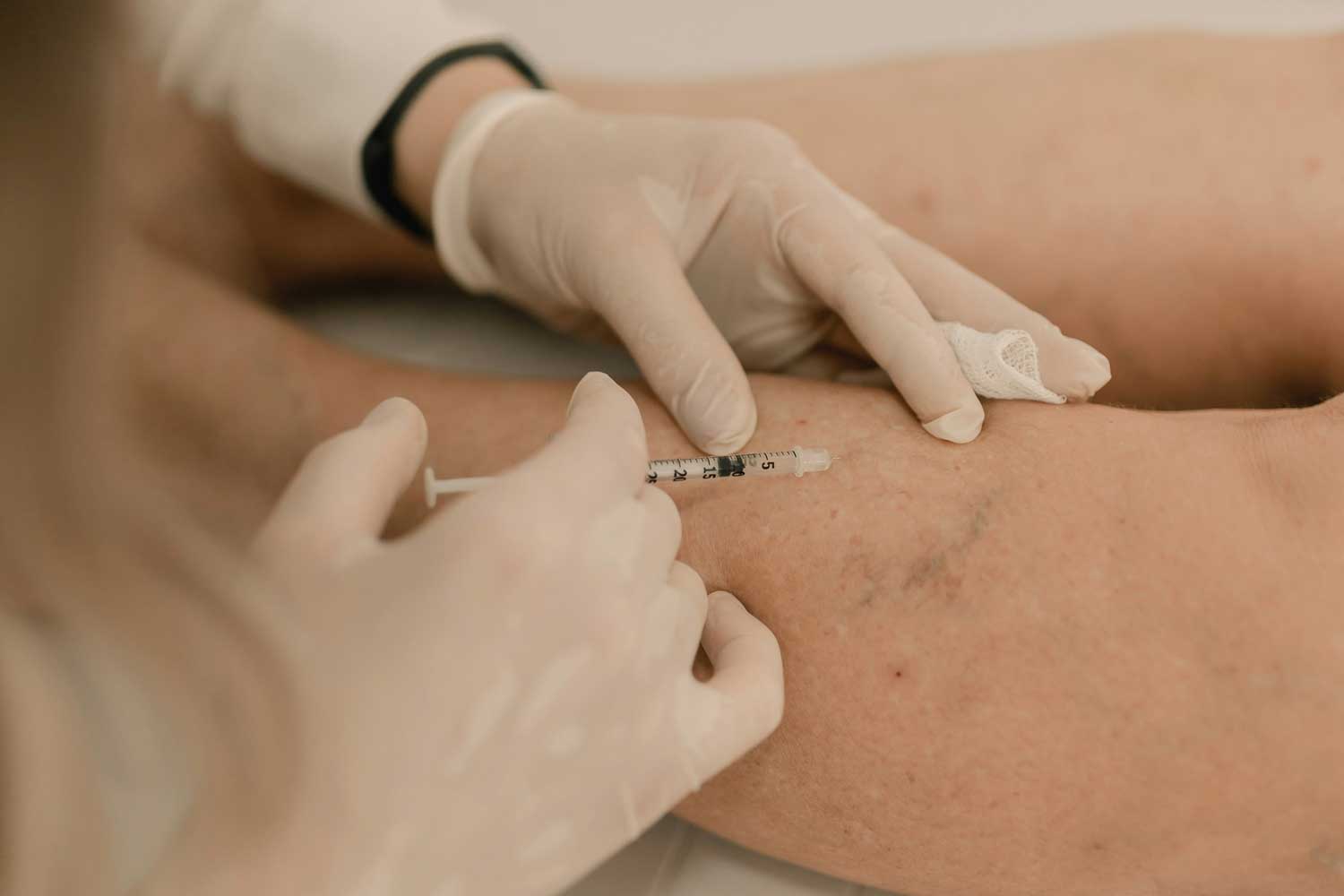
Let’s face it, leg veins get put off. Patients notice them in June, cover them up by October, and forget about them until the following summer. Then the cycle repeats.
The problem with that timing is that treating veins works better in the opposite order. Fall and winter are when sclerotherapy fits most easily into real life, and starting now means the work is finished well before anyone’s looking at your legs again.
Why the Season Matters
Sclerotherapy works by injecting a solution directly into the vein. The vein walls irritate and collapse, and the body gradually reabsorbs the treated vessel over the following weeks. Nothing gets removed. The vein simply fades.
Two things about that process favor cooler months.
First, treated skin is more prone to pigment changes when it’s exposed to sun. Brown discoloration along the path of a treated vein is a known and usually temporary outcome, and it’s far less likely when legs stay covered while healing. Fall does that work for you without any effort.
Second, compression is part of aftercare. Wearing compression stockings for a stretch after treatment supports the result, and most patients find that much easier to tolerate in November than in July.
Results Take Longer Than People Expect
The single most common source of disappointment with sclerotherapy is a timeline mismatch. Veins don’t vanish on the drive home. Improvement typically becomes noticeable around the three week mark, and continues from there.
Most patients also need more than one session. Two to four treatments is a reasonable expectation depending on how many vessels are involved and how they respond. Sessions are spaced out, which means a full course can stretch across a few months.
Add that up and the math argues for starting in fall. A patient who begins in September has time for multiple sessions and full fading before spring. A patient who starts in May is racing the calendar and will probably be disappointed.
Spider Veins Versus Varicose Veins
These get used interchangeably, and they aren’t the same thing.
Spider veins are the fine red, blue, or purple lines that branch across the thighs, calves, or ankles. They sit close to the surface and don’t usually cause symptoms beyond appearance.
Varicose veins are larger, often raised, and can bring aching, swelling, heaviness, or night cramps. Sclerotherapy is frequently the preferred approach for smaller varicose veins, and some patients notice symptom relief along with the cosmetic improvement.
Larger or more advanced varicose veins can point to underlying valve problems that need a different kind of evaluation. Part of what a consultation determines is whether sclerotherapy is the right tool at all, or whether you should be seen by a vein specialist first.
What Treatment Actually Involves
Sessions are short and done in the office. Patients describe the injections as a brief sting or cramping sensation rather than significant pain. There’s no anesthesia and no incision.
Downtime is minimal. Most people return to normal activity the same day, with instructions around walking, compression, and avoiding sun on the treated area. Bruising and mild tenderness along the vein are common in the first week or two.
What Sclerotherapy Won’t Do
It won’t stop new veins from forming. Genetics, pregnancy, prolonged standing, and age all contribute to vein development, and treating existing ones doesn’t change any of that. Many patients come back for touch-up sessions every few years.
It also isn’t a substitute for medical evaluation if you’re having significant leg pain, swelling, or skin changes. Cosmetic vein treatment addresses appearance and sometimes minor symptoms. It doesn’t diagnose circulation problems.
Being clear about this upfront is part of how Dr. Donofrio approaches every treatment. Realistic expectations set at the start tend to produce patients who are happy at the finish.
Getting Ahead of Next Summer
If leg veins have been on your list for a few seasons running, this is the window where doing something about them is least disruptive. Cooler weather handles the sun protection, compression is genuinely comfortable, and there’s enough runway for a full series before you’d want to see the result.
To find out whether sclerotherapy is appropriate for your veins, schedule a consultation with Dr. Lisa Donofrio at Aria DermSpa in Madison, CT. Call (203) 421-6674 or reach out online.