
What Really Makes Aesthetic Injections Safer: A Dermatologist’s Perspective
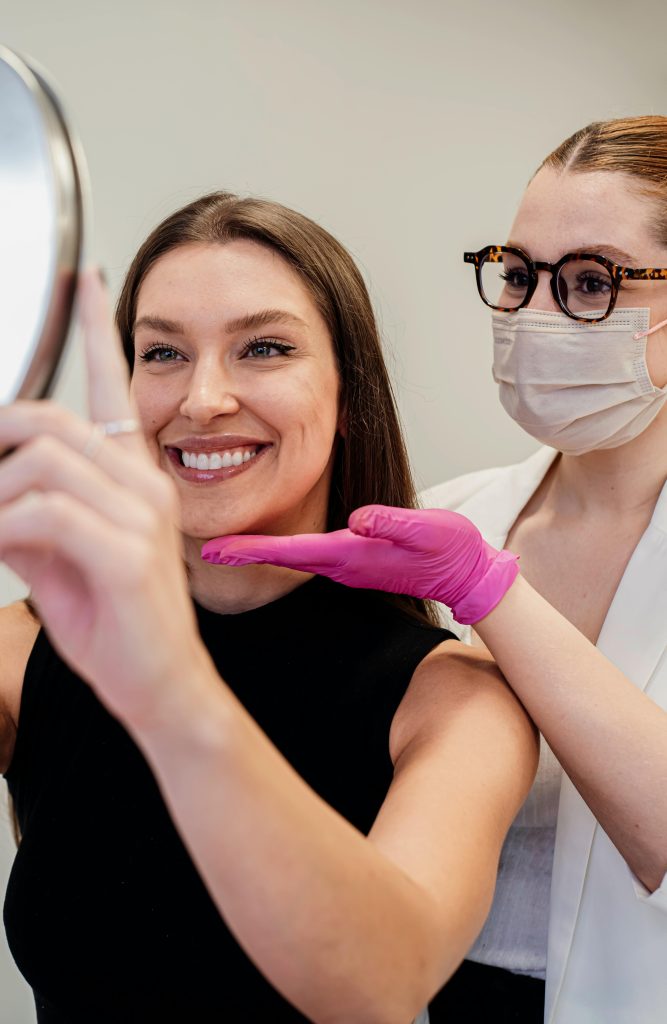
Safety is one of the most important concerns patients have when considering injectable aesthetic treatments. While many people focus on products or tools, true safety also depends on technique, judgment and experience.
This topic was discussed in depth by Dr. Lisa Donofrio during an interview at the 2025 ASDS Annual Meeting, featured on the DermSurgery Digest Podcast, where she shared insights gained from more than 30 years of clinical practice.
Understanding what truly influences safety can help patients make more informed decisions when choosing a provider.
Tools Do Not Guarantee Safety
Much of the conversation around injectable safety focuses on whether needles or cannulas are safer. While both tools have appropriate uses, neither automatically reduces risk.
Safety is determined by how instruments are used, not simply by what is used.
Long instruments, whether needles or cannulas, encourage a slower, more controlled technique. This approach reduces pressure, improves placement accuracy, and minimizes vascular risk.
Short instruments used without proper technique may increase complications regardless of type.
Technique Is the Foundation of Safe Injecting
Safe injection depends on several key principles:
- Controlled, slow placement
- Awareness of vascular anatomy
- Proper depth selection
- Minimal injection pressure
- Continuous movement during placement
These principles apply whether performing dermal filler injections, fat transfer, or other regenerative procedures.
Complications are more often related to rushed technique or inadequate anatomical understanding than to specific devices.
Why Experience Changes Outcomes
With experience comes pattern recognition. Seasoned physicians develop an intuitive understanding of tissue resistance, vascular pathways and patient-specific anatomy.
Over time, this allows for early identification of risk and more precise placement.
At professional meetings such as ASDS, experienced surgeons frequently emphasize that safety improves most with continued training, reflection and case volume.
This perspective cannot be replaced by weekend courses or device certifications.
Understanding Reported Complications
Serious complications related to injectable treatments are relatively rare, but they are well documented in medical literature. In earlier years, fat transfer and other advanced procedures were more frequently performed in academic settings, where adverse events were more likely to be reported.
This has contributed to the perception that some procedures are inherently more dangerous than others, when in reality reporting practices played a significant role.
Today, improved education and technique have further reduced risks when procedures are performed properly.
Choosing a Provider Based on Safety
Patients often ask how to evaluate safety when selecting a provider. Important factors include:
- Board certification
- Years of experience
- Volume of procedures performed
- Willingness to discuss risks openly
- Individualized treatment planning
A thoughtful consultation should include a discussion of technique, expectations, and long-term planning.
Safety as Part of a Broader Philosophy
At Aria DermSpa, safety is not treated as a checklist. It is integrated into every aspect of care, from consultation through follow-up.
This approach reflects the same philosophy behind subtle aesthetics and regenerative treatments: thoughtful planning, restraint, and respect for anatomy lead to the most reliable outcomes.
All injectable procedures at Aria DermSpa are performed by Dr. Lisa Donofrio herself. With over 30 years of experience in dermatologic surgery and aesthetic medicine, she brings a depth of clinical judgment that supports safe, natural-looking outcomes for every patient.
If you are considering injectable treatments and would like to discuss your options in a medically grounded setting, we are happy to guide you. Call us at (203) 421-6674 or reach out online to book your appointment today and take the first step.